SMART SEARCH
Urinary incontinence associated with higher odds of future disability


Urinary incontinence associated with higher odds of future disability
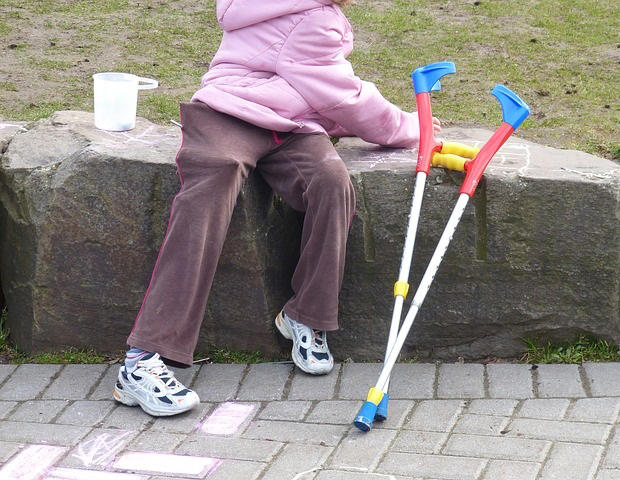
If you are one of the 30% to 50% of women experiencing urinary incontinence, new research suggests that it could turn into a bigger health issue.
Having more frequent urinary incontinence and leakage amounts is associated with higher odds of disability, according to RUSH researchers in a study published in the January issue of Menopause.
Often symptoms from urinary incontinence are ignored until they become bothersome or limit physical or social activities. Because this study suggests that urinary incontinence is associated with disability, exploring treatment options in the early stages may help decrease this outcome in midlife women."
Sheila Dugan, MD, Chair of the Department of Physical Medicine and Rehabilitation at RUSH
Urinary incontinence affects many women at some point during their lifetime, she said. Some women will leak urine when they sneeze or cough, which is called stress incontinence.
"When you sneeze or cough, there is a mechanical pressure from your belly that overwhelms the sphincter and you leak," she said.
Others suffer from urge incontinence, which is an overwhelming urge to urinate, such as when they get close to a restroom. Women who experience both have what's called mixed urinary incontinence, Dugan said.
Researchers considered the amount and frequency of the incontinence and whether the study participant had stress incontinence, urge incontinence, or both.
Researchers then measured disability by the World Health Organization disability assessment scale as the outcome of interest.
"We found that mixed incontinence was the most highly correlated with disability, along with daily incontinence and larger amounts of incontinence," Dugan said.
Dugan helped create the Program for Abdominal and Pelvic Health at RUSH, which treats several types of conditions, including urinary incontinence. Each patient is examined to determine the causes and treatment options. For example, muscles are evaluated to uncover whether tight bands in the muscles are causing incontinence or whether weak muscles are to blame.
"In a case of tight muscles, a woman may try to tighten the muscles further with more exercise, not knowing that it may make the incontinence worse," Dugan said. "Pelvic floor muscles support pelvic organs and organ problems can lead to muscle problems or vice versa. One patient may have incontinence due to hip arthritis, another from a difficult delivery, or it can be caused by cancer treatment, for example, radiation in the pelvic area."
There are a number of potential causes, or even a combination of causes, of incontinence. The data used was from a larger clinical trial called SWAN (the Study of Women Across the Nation) that included more than 1,800 participants. SWAN was initiated in 1994 with seven sites across the U.S. to identify changes that occur during the menopause transition in midlife women and their effects on subsequent health and risk for age-related diseases.
"More studies are needed to show what causes this association, with a focus on prevention," Dugan said.
No thoughts on “Urinary incontinence associated with higher odds of future disability”
Who's On Line?
We have 22 guests and no members online
Articles - Most Read
- Home
- LIVER DIS-EASE AND GALL BLADDER DIS-EASE
- African Wholistics - Medicines, Machines and Ignorance
- African Wholistics -The Overlooked Revolution
- African Holistics - Seduced by Ignorance and Research
- Want to slash the risk of dementia by a third? Sort out your hearing!
- Advertising
- Steroids are life-saving for critically ill COVID-19 patients, WHO says
- Mark Hoppus has stage 4 lymphoma
- 45-year-old woman damages liver from drinking herbal brew - dangerous 'side effects' Story by Solen Le Net •
- Women's Sex Organ Related Dis-eases ( Herpes, V.D., Etc.)
- The health problem plaguing female Olympians as 'pee flies through air' during competition
- Four types of freshwater fish 'globally' associated with rhabdomyolysis - study warning
- Okra: Nutrition tips from experts
- Do Yams Have Carbohydrates?
- Quickly Drain You Lymph System Using Theses Simple Techniques to Boost Immunity and Remove Toxins
Articles - Latest
- 6 Things to Try When You Can’t Sleep
- The Male G Spot Is Real—and It's the Secret to an Unbelievable Orgasm
- Herbs for Parasitic Infections
- Vaginal Care - From Pubes to Lubes: 8 Ways to Keep Your Vagina Happy
- 5 Negative Side Effects Of Anal Sex
- Cartilage comfort - Natural Solutions
- Top 5 health benefits of quinoa
- Quickly Drain You Lymph System Using Theses Simple Techniques to Boost Immunity and Remove Toxins
- Do Yams Have Carbohydrates?
- 45-year-old woman damages liver from drinking herbal brew - dangerous 'side effects' Story by Solen Le Net •
- Four types of freshwater fish 'globally' associated with rhabdomyolysis - study warning
- Okra: Nutrition tips from experts
- Advertising
- The health problem plaguing female Olympians as 'pee flies through air' during competition
- Women's Sex Organ Related Dis-eases ( Herpes, V.D., Etc.)
- Mark Hoppus has stage 4 lymphoma
- Steroids are life-saving for critically ill COVID-19 patients, WHO says
- Want to slash the risk of dementia by a third? Sort out your hearing!