
SMART SEARCH
Polyploidy can be a double-edged sword in cancer


Polyploidy can be a double-edged sword in cancer
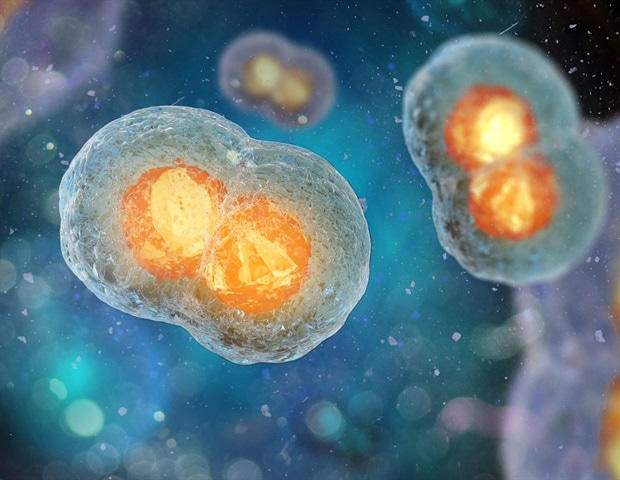
Polyploidy is a state where a cell contains more copies of the genetic material than the usual "diploid" cell, which contains two copies. Polyploidy often occurs in human diseases and cancers, and its effect on cell fate was unclear. Now, however, researchers from Japan have shown that polyploidy can be a double-edged sword when it comes to cancer and its treatment.
In a study published this month in Cell Death Discovery, researchers from Osaka University have revealed that polyploidy is closely linked to the accumulation of damage to the genetic material within the cell, while also allowing those cells to tolerate higher levels of this DNA damage.
Polyploidization can occur naturally in organs such as the liver, where it can be an advantage, allowing liver cells to tolerate high levels of exposure to the toxic molecules processed by the liver as part of its function. However, this polyploidy can also be an origin of carcinogenesis, and these cancers are frequently resistant to anti-cancer drugs.
Using a human liver cell line, the team showed that the occurrence of polyploidy did not always lead to the process called "senescence", by which cells stop dividing. The presence of DNA damage caused difficulties when cells divided, thus increasing the likelihood of mistakes arising and polyploidization developing. At the same time, the presence of polyploidization increased the amount of DNA damage that occurred, because of the stress the extra genomic material placed on the process of cell division.
However, the team also discovered that polyploid cells can tolerate a greater amount of DNA damage than diploid cells. As diploid cells accumulate damage, they eventually stop cell division and begin to show a phenotype known as the senescence-associated secretory phenotype, or SASP. It took a greater level of DNA damage for polyploid cells to show growth arrest or SASP.
As polyploid cells contain more copies of the genetic information than diploid cells, any DNA damage that accumulates is less likely to occur in all of the copies of any essential gene, allowing the cells to survive for longer."
Kazuki Hayashi, lead author of the study
Reference: News Medical
No thoughts on “Polyploidy can be a double-edged sword in cancer”
Who's On Line?
We have 79 guests and no members online
Articles - Most Read
- Home
- LIVER DIS-EASE AND GALL BLADDER DIS-EASE
- African Wholistics - Medicines, Machines and Ignorance
- African Wholistics -The Overlooked Revolution
- African Holistics - Seduced by Ignorance and Research
- Want to slash the risk of dementia by a third? Sort out your hearing!
- Steroids are life-saving for critically ill COVID-19 patients, WHO says
- Advertising
- Mark Hoppus has stage 4 lymphoma
- 45-year-old woman damages liver from drinking herbal brew - dangerous 'side effects' Story by Solen Le Net •
- Women's Sex Organ Related Dis-eases ( Herpes, V.D., Etc.)
- The health problem plaguing female Olympians as 'pee flies through air' during competition
- The Male G Spot Is Real—and It's the Secret to an Unbelievable Orgasm
- Do Yams Have Carbohydrates?
- Four types of freshwater fish 'globally' associated with rhabdomyolysis - study warning
- Okra: Nutrition tips from experts
Articles - Latest
- Sassfras Herb
- Buddist Herbs to Enhance your Well being
- Osteoarthritis
- Hyssop Benefits
- Stinging nettle, Benefits and cautions
- Benefits of Figs
- Cramp Bark
- Perilla leaves benefits
- Gotu cola Benefits
- DNA of Human Eyes
- Sjogren's Syndrome
- Paratha Bread
- Honey Bush
- Wild Lettuce
- Meningitis
- No Gall Bladder
- Vaginal Lumps
- Yogurt Vs. Kefir: Which Is Better for Your Gut? Experts Explain
- how to make kombucha
- Stroke signs and symptoms
- Key Indicators of Health from Stool Characteristics
- 6 Things to Try When You Can’t Sleep